


Introduction
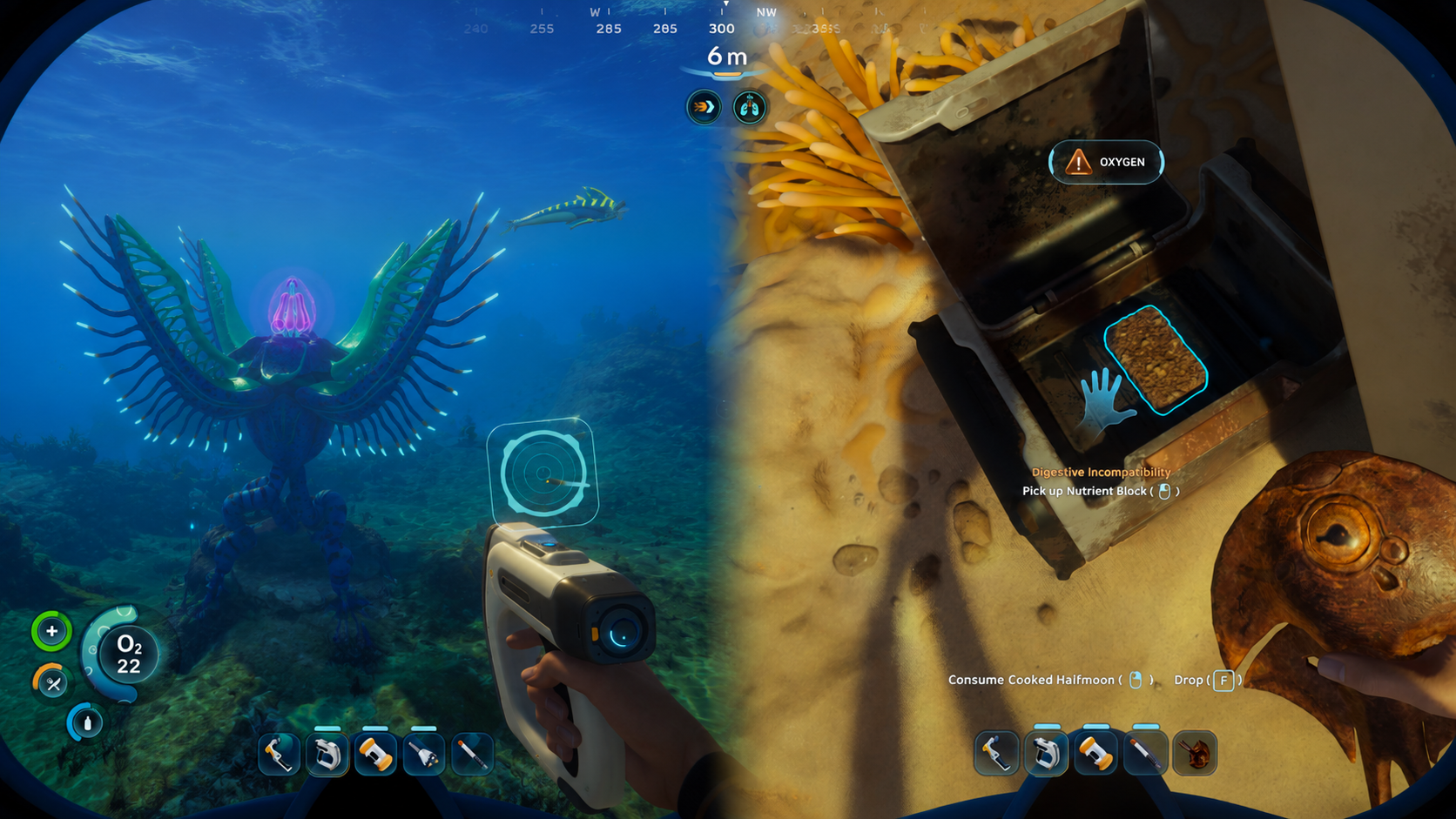
How can you picture yourself descending into the luminous and intriguing depths of a living ocean that is full of creatures, plants, and leviathans that lurk in shadows just waiting to pounce? Are you ready to go on an adventure of a lifetime and uncover all there is about the creatures in the ocean of Subnautica 2 Ocean Life: Final Guide to Every Creature, Plant, and Animal, With this comprehensive guide available since May 2026, get all you need to know about the flora and fauna of Subnautica 2.
Flora vs. Fauna – Definitions
In Subnautica 2, there are two major classifications for marine life:
- Flora: Marine plants and plant-like organisms – coral, seaweed, aquatic plants, glowy vines, and others.
- Fauna: Animals – fish, eels, squids, crabs, and leviathans.
There are some types that are scannable, where scanning will provide you with information or blueprints or lore. There are others that exist solely to make the environment come alive.
Does Ocean Life Matters in Subnautica 2
The ocean is not mere decoration. It’s crucial for survival and development:
- Food/water source: Some fish and plants may be consumed/processed.
- Resources: Some species of creatures and plants are used as crafting material.
- Information source: Scanning can help gather information about the history of this world.
- Hostile creatures: You will face enemies who have to be studied carefully.
- Guidance: Certain bioluminescent creatures and plants provide light in the darkness.
List of All Creatures
Read also :Devil Circuit Unleashed: The Brutal Fitness Challenge Redefining Limits
Submissive Fish and Tiny Creatures
These small and harmless animals are your first companions underwater. They run away when you approach them and will never attack you.
Some examples are:
- Butterfly fish varieties – Pretty and slow fish living in shallow reefs. Excellent as initial prey.
- Tetras – Small and glowing fish that can live in groups around coral rocks.
- Small Crustaceans – Living near the bottom, these animals are not hunted by other creatures.
Places where they can be located:
- Shallow Waters
- Kelp Forests
- Ridiculously Scarce Reefs
Uses:
- Food when cooked
- Scanning to fill your Pokedex
- Decoration in base aquariums (if available)
These are perfect for new players learning the basics of Subnautica 2 creatures.
Dangerous ocean predators
As you go deeper, you’ll meet fish and animals that see you as prey.
Common aggressive species:
- Stakefish variants – Fast swimmers with sharp teeth that chase you when close.
- Warpers or warper-like creatures – Teleporting predators that can ambush you.
- Medium predators – Larger fish that hunt in packs or alone.
Behavior:
- They react when you’re within a certain distance.
- Some chase briefly; others are more persistent.
- A few will flee if you use a tool or weapon.
Survival tips:
- Swim away quickly and use your flashlight or bioluminescence to confuse them.
- Use the stasis rifle to freeze them if you need to scan.
- Don’t linger in their territory without better gear.
Learning how aggressive creatures in Subnautica 2 behave will save you from many dangerous encounters.
Sea Monsters
Read also : Exit Poll Tamil Nadu 2026: DMK Leads, Vijay’s TVK Emerges as Key Challenger
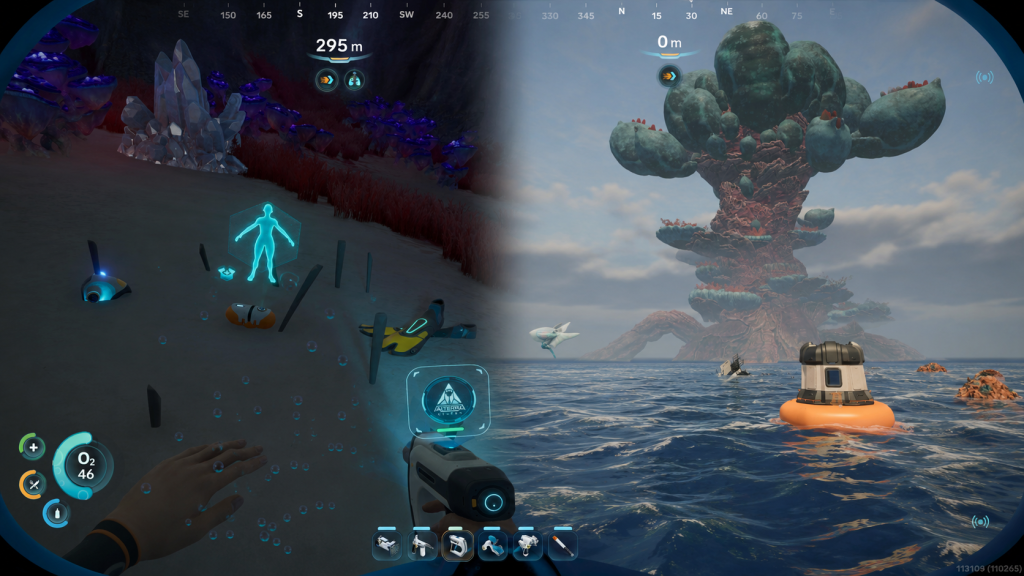
The largest and most fearsome beasts in the game Subnautica 2 are known as leviathans. These creatures reign supreme in their habitats and can quickly destroy an inexperienced player.
The known leviathans as of 2026 are as follows:
- Class I Leviathans – Big, yet smaller than proper monsters, and will assault if triggered.
- Class II Leviathans – Active killers of any creature that dares to intrude into their territories.
- Class III Leviathans – Huge beings with near-godly powers that govern vast stretches of land.
For each leviathan, you should know the following:
- Name
- Classification
- Biome
- Aggressiveness (passive, territorial, or aggressive)
- Predatory habits (attack patterns and triggers)
Examples include leviathans that:
- Patrol along set paths
- Rest in particular caves or trench systems
- Lurk in darkness before launching ambushes
- This is where the real horror and wonder of Subnautica 2’s sea life begins.
- Secret and Unique Species
The creators have alluded to secret leviathans and rare species that exist only under specific circumstances.
Among those mentioned are:
- Monsters that only emerge during nighttime
- Creatures that become visible upon finishing quests
- Easter eggs, like creatures from the first game or other fictional works
To find them:
- Explore off-the-beaten-path caves
- Listen for unusual sounds
- Watch for unusual lighting or water movement
Community sources and trailers have teased a Subnautica 2 secret leviathan, so keep an eye on updates.
List of All Flora (Plants) in Subnautica 2
Common Plants and Coral
The underwater “forests” in Subnautica 2 include:
- Colorful corals (red, blue, purple, etc.)
- Kelp forests
- Grasses moving with the flow
- Bush-like plants on the ocean floor
These form beautiful environments and provide hiding places for tiny critters.
Most common plants:
- Colorful corals
- Kelps and vine-like plants
- Seaweed meadows
They’re mostly environmental but important for:
- Creating a sense of place
- Hiding resources or creatures
- Offering cover from predators
They are mainly decorative but serve key roles in:
Establishing a setting
Plants and Food Sources
In Subnautica 2, some plant life can be collected for nourishment or hydration.
Plant examples include:
Fruit pods produced by some plants
Juicy sea grasses that can be consumed raw or prepared
Seed pods that can either be planted or crafted into items
Locations:
- Shallow reefs
- Kelp forests
- Land biomes
Functions:
- Replenish hunger levels
- Provide hydration (assuming dehydration mechanics are implemented)
- Used as ingredients in basic cooking
Being aware of the edible plants available in Subnautica 2 is vital for survival in the early game.
Flora and Bioluminescence
Some plant species have the ability to produce light in the dark.
The bioluminescent flora in Subnautica 2 serves various purposes, such as:
- Lighting caves and trench biomes
- Providing free, silent illumination without battery consumption
- Highlighting special locations or secret routes
- Moreover, they create an atmosphere of mystery and serenity,
- Aid in navigation through dark zones
- May contain data pads or rare resources
Scannable and Non-Scannable Plant Life
- Scannable flora: Provides information, may unlock blueprints or story lines.
- Non-scannable flora: Serves purely aesthetic or environmental functions.
Scan these:
- Uncommon coral species
- Glowing plant species
- Rare vegetation from deeper biomes
Where to Find Every Creature and Plant (Biome Guide)
Surface and Shallow Zones
- Safe Shallows: Risk-free area with small fish, coral, and edible plants.
- Kelp Forests: Tall kelp, schools of fish, occasional predators.
- Sparse Reefs: Colorful coral, mixed fish, some medium predators.
Start here as a new player to learn mechanics and gather basic resources.
Mid-Depth Biomes
- Deep Forests: Dense vegetation, more varied fauna.
- Lava Zones (early): Hot, dangerous, with unique creatures.
- Twisted Passages: Narrow caves with hidden creatures.
You’ll need better oxygen, protection, and weapons here.
Deep and Dangerous Zones
- Abyssal Trenches: Home to large predators and leviathans.
- Cursed Caves: Dark, cramped, full of ambush predators.
- Leviathan Territories: Areas dominated by one or more huge monsters.
Only go here with upgraded gear, a strong plan, and knowledge of Subnautica 2 creature locations.
Interacting with Ocean Life
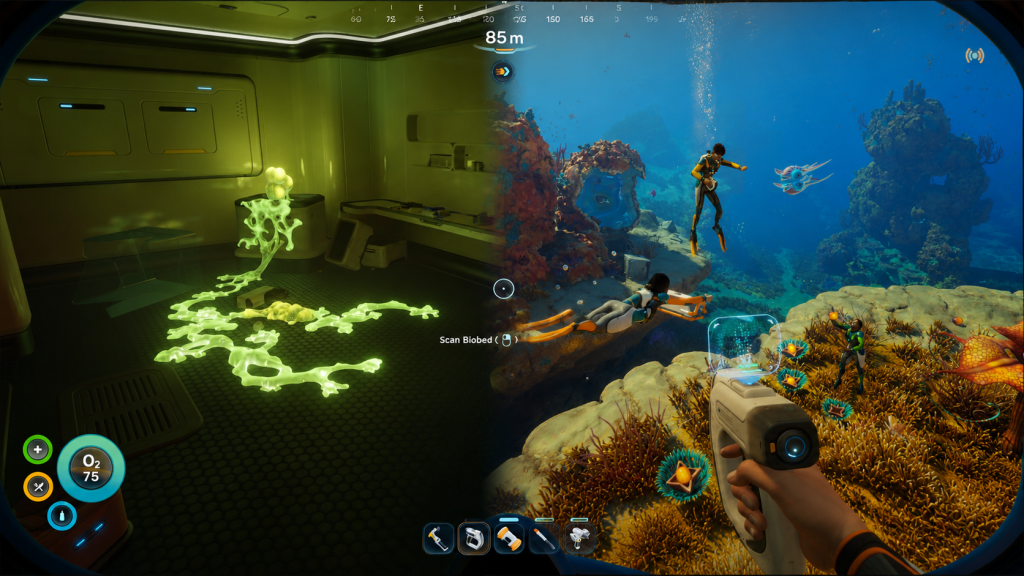
Scanning Living Beings and Plants
Use your scanner to:
- Collect information about creatures and plants
- Access blueprints for building tools and vehicles
- Discover plot information and universe secrets
Scanning aggressive creatures:
- Use the stasis gun to stop the creatures.
- Scan from afar whenever possible.
- Do not stand still for long periods next to the predators.
- Gathering Food by Cultivating Plants
In case the game Subnautica 2 allows farming:
- Raise edible plants at your base.
- Harvest crops continuously to ensure constant food supply.
- Supply electricity and water to operate your farms.
Best plants to farm:
- Food-bearing plants with high yield rates
- Plants providing resources for crafting tools
- Plants for decorating purposes at your base
It belongs to marine farming in Subnautica 2.
Fishing, Preparation of Food, and Survival Hints
In case fishing is present:
- Fish using rods or traps.
- Cook fish to enhance the nutritional value.
- Keep food supplies at your base in case of emergency.
survival tips:
- Always carry extra oxygen.
- Learn creature behavior patterns.
- Know when to run instead of fight.
Avoiding and Defending Against Dangerous Creatures
- Always bring extra oxygen tanks with you.
- Study the behavior of creatures.
- Identify situations where you should flee rather than fight.
Changes and Updates to Ocean Life (2025–2026)
These are some recent updates in terms of the introduction of:
Recent updates added:
- New types of fishes in deep biomes
- Additional leviathans with special traits
- Flora that glows in dark caves.
Species Removed or Revised
Some creatures may have been:
- Eliminated due to performance reasons
- Revised to achieve balance
- Combined with other species
Developers aim to make Subnautica 2 ocean life feel more realistic and balanced.
Future updates might include:
- Unique biomes with their special fauna
- Secret leviathans with hidden secrets
- Enhanced interaction features (for example, taming, farming)
Combat, Stealth & Survival Explained
- Survival-based FPS gameplay with focus on oxygen, hunger, and health.
- Stealth becomes important for higher-level biomes; camouflage yourself using lights and sounds.
- Weaponry and tool creation using materials obtained from sea creatures such as coral, hides, and fibers.
- Ethical decisions: Certain creature interactions influence the storyline and access to resources.
- AI Adaptation: Creatures learn based on your actions.
Conclusion
The seas in Subnautica 2 are home to amazing flora and fauna, from tiny bioluminescent plants to huge leviathans dominating the depths. This guide has provided details on all the creatures, plants, and animals discovered thus far, along with information on their habitats, behavior, and interactions. Subscribe for more such fascinating updates newsy.in.